If you own a vacation home in Palm Springs, selling it can feel more complicated than selling a typical primary residence. You may be balancing guest bookings, city rules, HOA requirements, and the timing of the local visitor season, all while trying to protect your sale price and keep the process as smooth as possible. The good news is that with the right plan, you can reduce disruptions, stay compliant, and present your property in its best light. Let’s dive in.
Start With the Rental Paperwork
Before you think about photos, showings, or pricing, review your vacation-rental file from top to bottom. In Palm Springs, vacation rentals are regulated by the city, and those rules can directly affect how you prepare for a sale.
The city treats vacation rentals and homesharing as ancillary uses of residential property, limited to single-family dwellings and subject to permits, insurance, operating rules, annual contract limits, and neighborhood caps. For new permittees, the annual limit is currently 26 contracts per year. Existing permittees can have up to 32, with an added summer-quarter allowance in some cases.
Your file should confirm the basics, including permit status, booking calendar, HOA permissions if applicable, insurance, and required city forms. Palm Springs also requires a rental safety inspection form, a pool certification form every five years, an HOA letter in HOA communities, and a land-use permit application for properties with five or more bedrooms.
When this paperwork is organized early, the rest of the sale tends to move with fewer surprises. It also helps you answer buyer questions clearly and keep your closing documents aligned with city requirements.
Know the Rule That Matters Most
One of the biggest issues for vacation-home sellers in Palm Springs is permit transfer. The city says a vacation-rental certificate does not transfer to the buyer.
That means the seller must close the certificate and cancel future bookings before the new owner takes over. The buyer cannot legally continue bookings under the seller’s certificate, and no bookings can occur until the buyer receives a new certificate from the city.
This single rule affects your timeline, your booking strategy, and even how you discuss the property with buyers. If you go into the sale assuming bookings can simply carry over, you risk confusion and last-minute disruption.
Decide When to List
Timing matters in Palm Springs, especially for a second home or vacation property. The local climate and visitor patterns can shape how comfortable the home feels for showings and how many out-of-area buyers are in town.
NOAA climate normals for Palm Springs Regional Airport show average highs of 103.6°F in June, 108.6°F in July, and 108.1°F in August. By comparison, October averages 91.1°F and December averages 69.2°F.
Local tourism patterns also support a seasonal approach. Fall is often seen as one of the best times to visit, while winter and spring are peak travel seasons. For many sellers, that creates two practical windows for a smoother sale:
- Fall or early winter for comfortable showings and strong visitor traffic
- Late winter or early spring to reach peak-season buyers before the summer slowdown
This is not a formal city rule, but it is a smart planning takeaway based on weather and tourism patterns. If your goal is minimal disruption, a well-timed launch can make the process easier for you and more appealing to buyers.
Match the Listing Date to the Booking Calendar
If your home is still operating as a vacation rental, your listing strategy should work around the reservation calendar. In many cases, the smoothest approach is to decide whether to wait until the last guest cycle ends or list now with a clear plan for managing access and eventual booking cancellations.
Because the city requires future bookings to be canceled before a new owner takes over, it is wise to avoid letting the calendar fill too far ahead if you are serious about selling. The more future reservations you carry, the more complicated your closing path may become.
You should also stay current on operating requirements while the property remains active as a rental. That includes monthly transient occupancy tax reporting and payment, the 1% TBID assessment, contract summaries entered before guest arrival, and the city’s insurance and safety-document requirements.
Create One Clean Prep Window
Vacation homes often show best when they are not turning over between guests. Rather than handling repairs, deep cleaning, landscaping, and pool service in separate waves, it usually makes sense to create one clean vacancy window for prep.
This gives you time to handle maintenance, refresh the exterior, verify safety items, and schedule professional photography and virtual tours without interruption. It also helps the home feel calmer and more intentional in its presentation.
For sellers who want a low-stress experience, this step can make a major difference. Instead of reacting to guest schedules, you can control the timeline and launch with polished marketing from day one.
Plan Showings Carefully if Guests or Tenants Are Present
If the property is occupied, access needs to be handled correctly. California Civil Code section 1954 requires reasonable written notice for entry, with 24 hours presumed reasonable in most cases.
For showings to buyers, oral notice can be used only if the tenant was informed in writing within the prior 120 days that the property is for sale. Entry must take place during normal business hours unless the tenant agrees otherwise.
Even when access is legally allowed, a thoughtful showing plan is still important. Clear communication, fewer interruptions, and organized time blocks can help protect the guest or tenant experience while keeping your sale on track.
Market the Palm Springs Lifestyle
A Palm Springs vacation home is rarely just a structure. Buyers are often responding to the experience of the property and how it fits the desert lifestyle.
Local tourism materials highlight golf, architecture, art, spas, hot springs, hiking, and events as major draws for the area. That means your listing should speak to how the home lives, not just how it performs on paper.
In practical terms, that often means emphasizing features like:
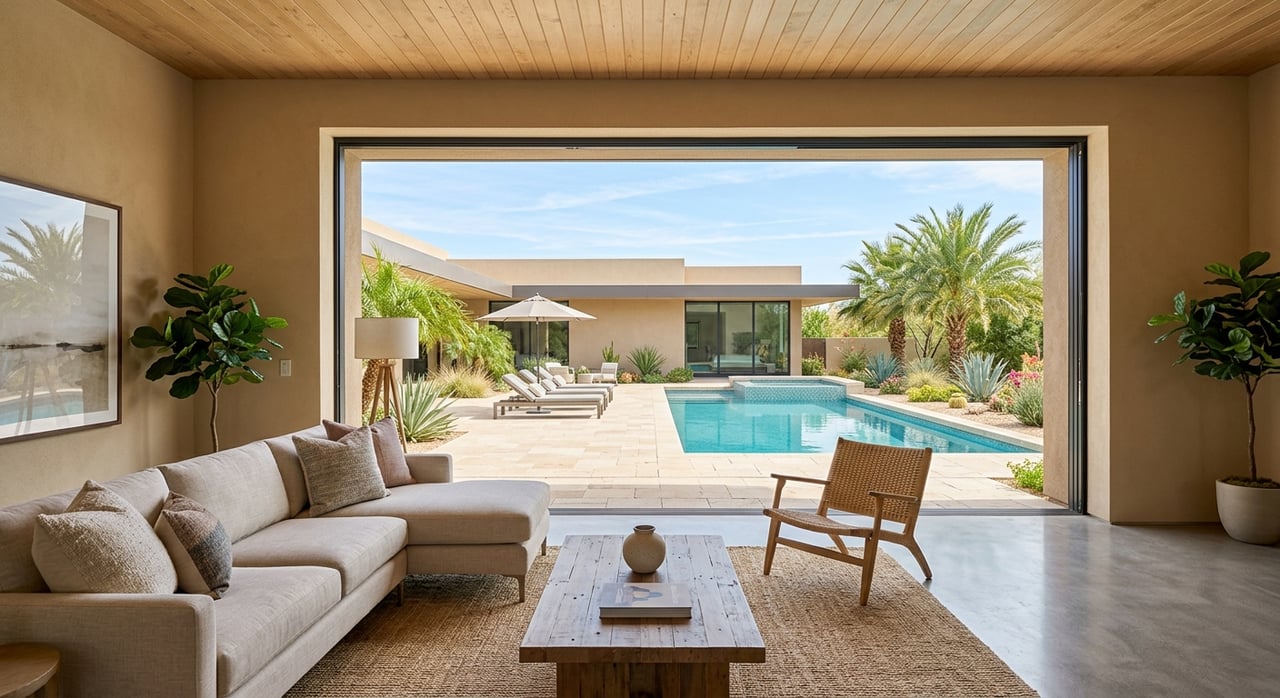
- Indoor-outdoor living
- Mountain or skyline views
- Pool and patio spaces
- Privacy-oriented layouts
- Low-maintenance resort-style amenities
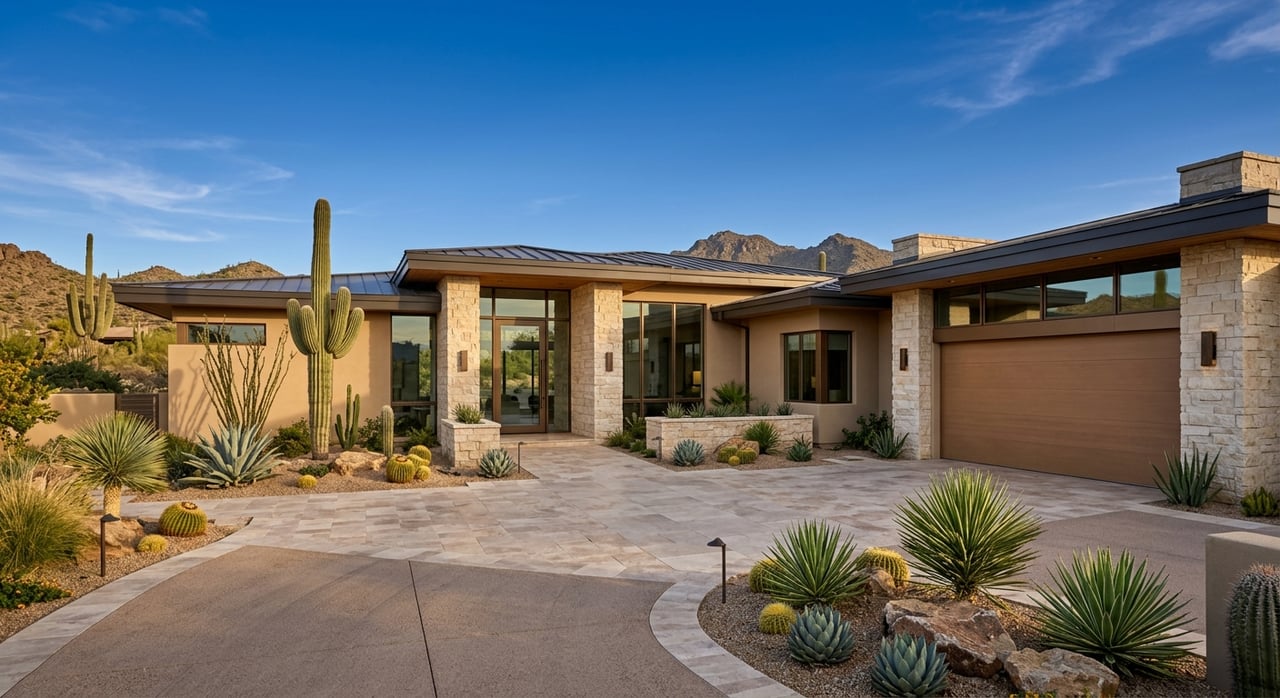
- Architectural character where relevant
This is especially important because not every buyer is focused on rental income. Many are lifestyle buyers looking for a second home, a seasonal retreat, or a property that reflects the Palm Springs experience.
Position the Home by Neighborhood Type
Palm Springs is not one uniform market. Different areas have different buyer expectations, and vacation-rental rules can vary by neighborhood cap levels.
The city’s organized-neighborhood density table shows meaningful variation. As of April 30, 2026, examples include Racquet Club Estates at 33.33%, Desert Park Estates at 20.86%, and Gene Autry at 20.17%.
That matters because some neighborhoods are already at or above the city’s 20% threshold, which can block a new vacation-rental application. For buyers who care about future rental use, this can be a key part of the conversation.
Marketing should also reflect the property’s setting. A historic district home may need a different presentation than a home in an HOA or golf-oriented community. In some cases, architecture and preservation history may be central. In others, buyers may care more about amenities, ease of ownership, and outdoor living.
Understand Today’s Market Pace
Even in a more nuanced market, Palm Springs remains active. Redfin reports a median sale price of $658,606 over the last three months, with homes selling in about 67 days and a 97% sale-to-list ratio.
The same data shows that some homes receive multiple offers, while the average home sells about 3% below list price. For you as a seller, that means pricing, presentation, and timing still matter a great deal.
A vacation home that is well-prepared, clearly marketed, and aligned with buyer expectations has a better chance of standing out. A home that feels hard to access, poorly timed, or unclear on compliance may lose momentum.
Use a Smooth Closing Checklist
As your sale moves toward escrow, the final phase should be handled with precision. This is where a clean process protects both the transaction and your peace of mind.
A simple closing checklist can help:
- Cancel future reservations
- Close the vacation-rental certificate
- Provide required city-related disclosure documents
- Gather HOA documents if the property is in an HOA
- Keep TOT and TBID reporting current through the appropriate period
- Organize safety, pool, insurance, and permit records for easy review
When these details are managed early, closing is usually far less stressful. The sale becomes a coordinated handoff instead of a last-minute scramble.
Why Process Management Matters
Selling a Palm Springs vacation home smoothly is less about one big move and more about good coordination. You are aligning the listing date, the rental calendar, the city paperwork, the HOA rules if any, and the marketing story buyers will see.
That is where a hands-on, concierge-style approach can help. With thoughtful planning, professional media, and careful process management, you can protect the value of your home while making the sale easier on yourself.
If you are thinking about selling a Palm Springs vacation home and want a plan built around your calendar, your property, and your goals, Kurt Bayek can help you map out the next steps with local insight and personalized service.
FAQs
What happens to a Palm Springs vacation-rental permit when you sell?
- In Palm Springs, the vacation-rental certificate does not transfer to the buyer. The seller must close the certificate and cancel future bookings, and the buyer cannot host bookings until receiving a new certificate.
When is the best time to sell a vacation home in Palm Springs?
- Many sellers find fall, early winter, late winter, or early spring to be practical listing windows because of more comfortable weather and stronger visitor traffic patterns.
Can you sell a Palm Springs home with future vacation bookings in place?
- You can list the home while it is still operating as a rental, but future bookings must be canceled before the new owner takes over because the permit does not transfer.
What city paperwork should Palm Springs vacation-home sellers review before listing?
- Sellers should confirm permit status, booking records, insurance, TOT and TBID compliance, safety documents, pool certification if applicable, HOA letter if applicable, and any other required city forms tied to the property.
Do Palm Springs neighborhood rules affect a vacation-home sale?
- Yes. The city uses neighborhood caps for vacation rentals, and some organized neighborhoods are already at or above the threshold that can prevent a new vacation-rental application, which may matter to buyers considering future use.