If you love tennis, you already know Indian Wells is more than a desert getaway. Each spring, the BNP Paribas Open turns the city into the sport’s center stage, and that energy spills directly into local real estate. Whether you are buying, selling, or exploring an investment property, the tournament and year‑round tennis culture can shape timing, pricing, and rental potential.
This guide shows how tennis influences demand, what to expect during event season, the rules for short‑term rentals, and which neighborhoods tend to draw tennis‑minded buyers. You will also get practical checklists you can use right away. Let’s dive in.
Why Indian Wells is a tennis capital
The BNP Paribas Open is a two‑week ATP/WTA 1000 event that anchors spring in the Coachella Valley. In 2024, organizers reported 493,440 total attendees and an estimated $852 million gross economic impact for the region, underscoring how the tournament fuels local businesses and hospitality. You can see the figures in the event’s economic impact summary on the tournament site at BNP Paribas Open.
Scale is part of the story. Stadium 1 at the Indian Wells Tennis Garden seats about 16,100, making it one of the largest tennis‑specific outdoor stadiums in the world. The complex runs programs and public court bookings year‑round, so tennis activity does not end when the pros leave. Explore the venue’s footprint on the stadium overview.
Long‑term investment has also kept the venue and its hospitality assets first‑class, which helps support the premium position of nearby neighborhoods. In 2009, Larry Ellison purchased the event and facility, then committed to upgrades over time, as reported by the Los Angeles Times.
How the tournament shapes demand
Who buys near the Tennis Garden
Tournament weeks and the broader winter season draw a mix of buyers:
- Affluent second‑home buyers and tennis fans who want quick access to courts and club amenities.
- Seasonal residents who split time in the Valley for a resort lifestyle that includes tennis and golf.
- Investors evaluating permitted short‑term rental income with event‑week rate premiums.
- Local move‑ups who prioritize neighborhood lifestyle and club memberships.
When demand spikes
The event typically runs in early to mid‑March. During this window, visitor traffic jumps and many attendees are non‑local. That foot traffic turns into real estate interest, because visitors often pair match days with neighborhood tours. The tournament’s own economic impact recap highlights the scale of non‑local attendance, which helps explain why March can be so active for buyer inquiries and second‑home searches.
Price context and market nuance
Indian Wells has a broad price range. You will see condos and smaller homes at lower price points, and gated country‑club estates that sit firmly in the luxury tier. Portal snapshots vary because of methodology and timing. For example, Zillow’s ZHVI for Indian Wells was about $1.40 million as of Jan 31, 2026. In small, luxury‑weighted markets, medians can swing with a handful of sales, so always note the provider and date when you quote a figure.
The takeaway: if proximity to the Tennis Garden or top‑tier club amenities is a priority, expect to pay a premium for well‑located, turnkey properties.
Short‑term rentals during tennis season
Rules you need to know in Indian Wells
Indian Wells regulates short‑term rentals and the rules affect both purchase decisions and underwriting:
- New city STR permits require a 29‑night minimum stay year‑round.
- The city allows a 7‑night minimum only around the BNP Paribas Open window, defined as one week before through three days after the event.
- HOAs may opt out of the city’s minimum‑stay rule, but other city requirements still apply.
- Owners must have a local contact for complaints and must remit Transient Occupancy Tax. The city lists a published TOT rate of 12.25% on its page.
You can review the full policy and current forms on the City of Indian Wells STR page.
What revenue can look like, and when
Event weeks create a clear pricing bump. Marketplace snapshots show premium, well‑located homes can command daily rates reaching the mid‑hundreds to $1,500–$1,800+ per night during peak periods, with some high‑performing properties generating five‑figure seasonal totals. See example market views on AirROI’s Indian Wells page. Actual results vary by home size, amenities, proximity, permit status, and management quality.
Seasonality matters. Demand often runs strongest from roughly November through April, with the sharpest compression in March for tennis and in April for festival weekends. Summer occupancy is typically lower due to desert heat. Pricing guidance for nearby La Quinta demonstrates this winter‑heavy pattern and why you should build peak, shoulder, and off‑season scenarios rather than relying on a single average. For a helpful overview, see this seasonal pricing primer.
A quick compliance checklist
If you are considering an STR‑friendly property, make sure to:
- Confirm the address has a valid city STR permit, and whether it is grandfathered.
- Verify HOA rules and any community opt‑out status related to minimum stays.
- Request historical booking data, including occupancy by date, average daily rate, cleaning fees, and guest reviews.
- Model all costs: TOT, any tourism assessments, management fees, insurance, utilities, and cleanings.
- Identify the required 24/7 local contact and document processes for guest issues.
You can find core requirements and contact information on the City of Indian Wells STR page.
Neighborhoods tennis‑minded buyers watch
Closest enclaves to the action
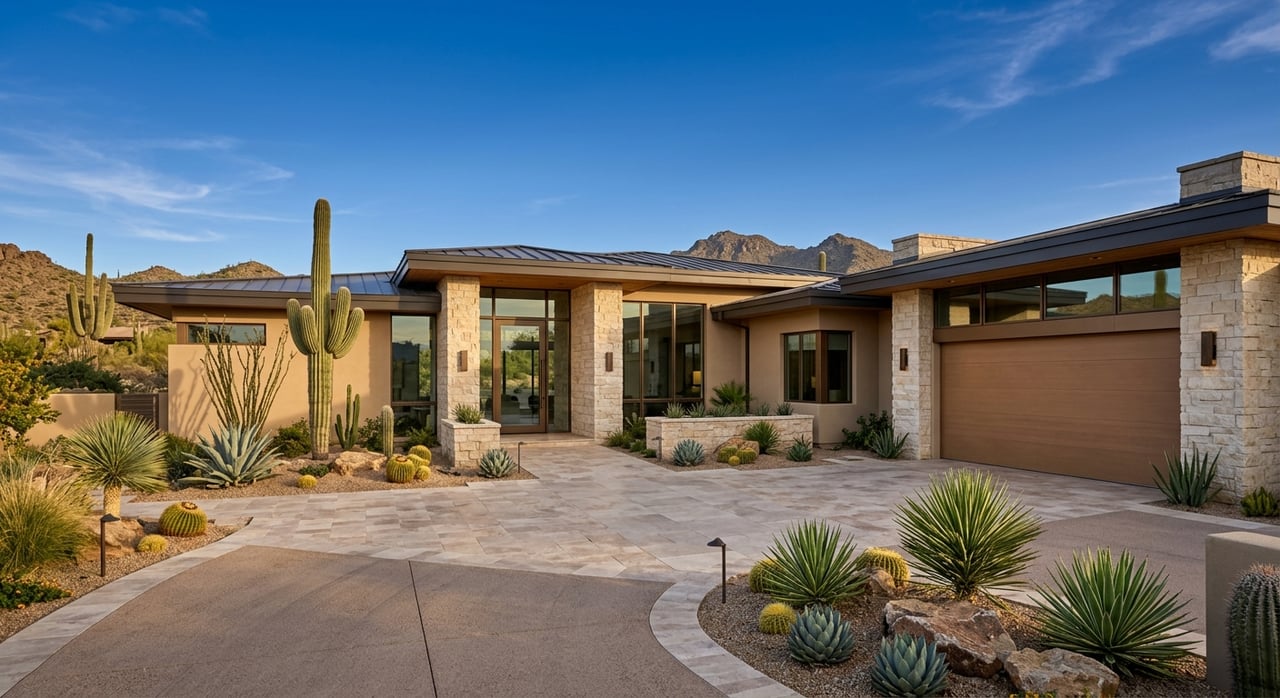
Indian Wells Country Club, Desert Horizons, and Mountain Cove often lead shortlists for buyers who want quick drives to the Tennis Garden and an easy lock‑and‑leave lifestyle. Some gated enclaves include resort‑style condos that can be guest‑friendly under community rules. Listings routinely highlight “minutes from the Tennis Garden” as a selling point.
Private club communities and amenities
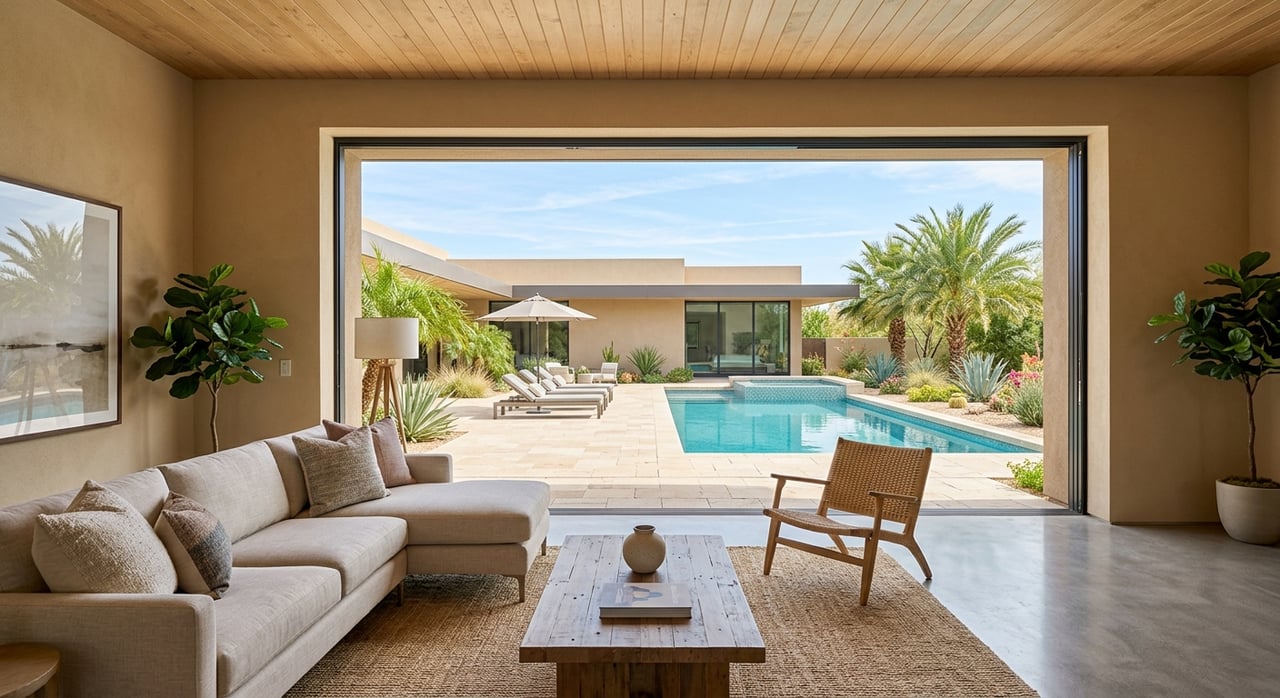
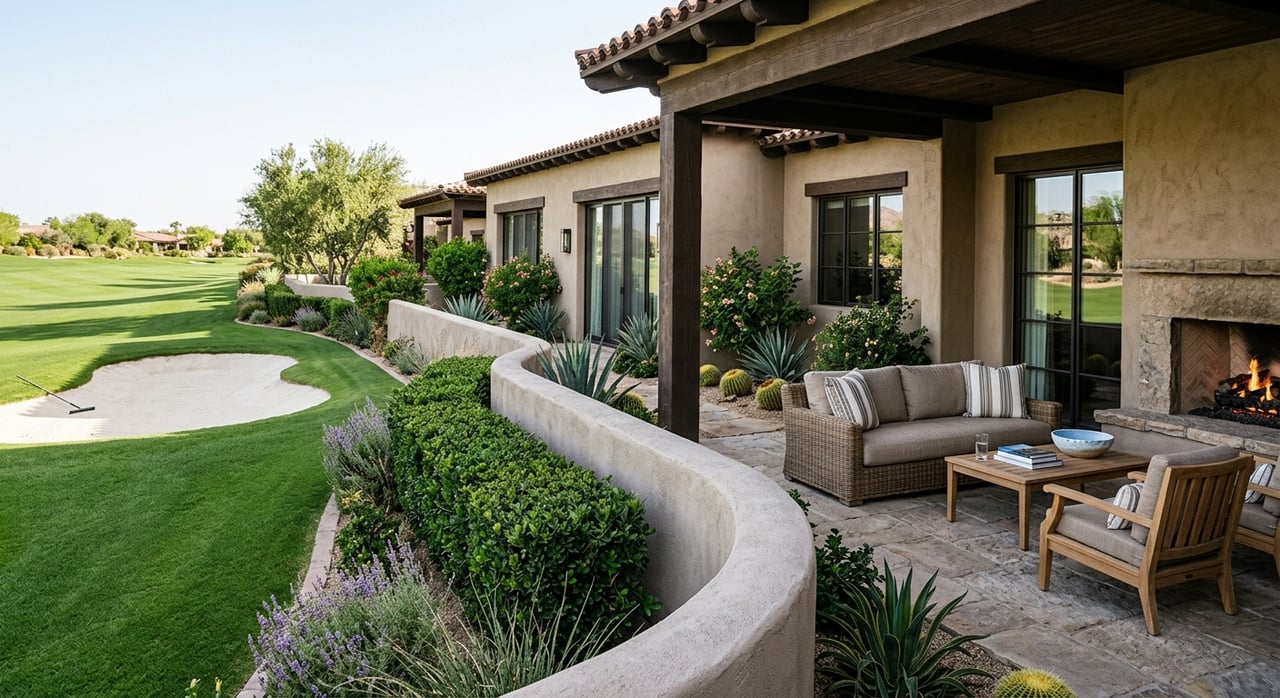
Communities such as Toscana and Eldorado appeal to buyers who want on‑site courts, fitness, dining, and social programming. Expect initiation fees or HOA dues that reflect the scope of amenities. If you value year‑round play, built‑in coaching, and organized mixers, these communities align well with an active tennis lifestyle.
Nearby cities to include in your search
La Quinta, Palm Desert, and select pockets of Palm Springs sit within easy driving distance. If you prefer a different price point, a broader set of architectural styles, or more flexible rental options, expanding your search radius can help. Many tennis‑focused buyers include La Quinta neighborhoods within 1 to 3 miles of the Tennis Garden to balance access and value.
Seller and buyer playbooks for tournament season
For sellers: timing and showing strategy
- Consider listing during the winter season to meet the wave of snowbirds and tennis visitors. Many out‑of‑area buyers research homes while they are in town.
- During the tournament, plan for traffic, parking controls, and fuller hotel lobbies. Coordinate showing windows around match schedules and local advisories. The tournament’s Know Before You Go guide offers a useful picture of event logistics that can affect access.
- Disclose rental status clearly. If your home has an STR permit or HOA‑specific rental allowances, make that information easy to verify.
For buyers: the right questions to ask
Before you write an offer, request and confirm the following so you can compare apples to apples:
- Is there an active city STR permit for this address, and is it transferable?
- If STR‑permitted, provide 12 to 24 months of booking history: occupancy by date, average daily rate, cleaning fees, and review summaries.
- What are the HOA rental rules, and has the HOA opted out of the city’s minimum‑stay requirement?
- Are TOT and any tourism assessments current, and can the seller provide proof of remittance?
- Are there special parking, noise, or guest policies you need to follow?
Use the city’s STR rules page as your reference for compliance specifics.
What it feels like to live near the Tennis Garden
During March, expect a festival vibe. Restaurants book up, resorts feel busier, and traffic or shuttle routes can change normal patterns. The upside is energy, expanded services, and strong economic lift. The tradeoff can include more congestion and occasional scheduling challenges for deliveries or showings. For a sense of game‑day flow, the event’s fan guide outlines parking, shuttles, and venue logistics.
Bottom line
Indian Wells is a year‑round tennis hub with a global‑caliber event that adds real weight to local housing dynamics. The BNP Paribas Open brings qualified visitors who often turn into buyers, peak weeks can boost short‑term rates for permitted homes, and premium neighborhoods close to the Tennis Garden tend to command a location advantage. With thoughtful timing, careful review of STR rules, and a clear understanding of seasonality, you can make tennis work for your real estate goals.
Ready to align your search or sale with tournament season? Schedule a free consultation with Kurt Bayek to build a tailored plan.
FAQs
When is the busiest season for renting a home in Indian Wells?
- Peak demand typically runs November through April, with the strongest compression in March for the BNP Paribas Open and April for festival weekends, while summer is usually slower due to heat.
What are Indian Wells’ short‑term rental rules during the tournament?
- The city requires a 29‑night minimum for new STR permits year‑round, but allows a 7‑night minimum from one week before through three days after the BNP Paribas Open, with other city requirements still in force.
Do home prices in Indian Wells spike because of the tournament?
- The event brings more active buyers to town, which can increase inquiries and competition, but pricing still reflects property fundamentals; always reference a dated data source when discussing medians due to small‑market swings.
Which neighborhoods are closest to the Indian Wells Tennis Garden?
- Indian Wells Country Club, Desert Horizons, and Mountain Cove are commonly sought for short drives to the venue, while nearby La Quinta and Palm Desert offer additional options within easy reach.
How does the BNP Paribas Open affect daily life near the venue?
- Expect a lively, visitor‑forward atmosphere with heavier restaurant bookings, shuttle activity, and traffic controls during March, balanced by strong local economic benefits.
What costs should I include when modeling STR income?
- In addition to rate and occupancy, include city TOT, any tourism assessments, management fees, utilities, cleanings, insurance, and compliance items like a 24/7 local contact, then stress‑test peak, shoulder, and off‑season scenarios.