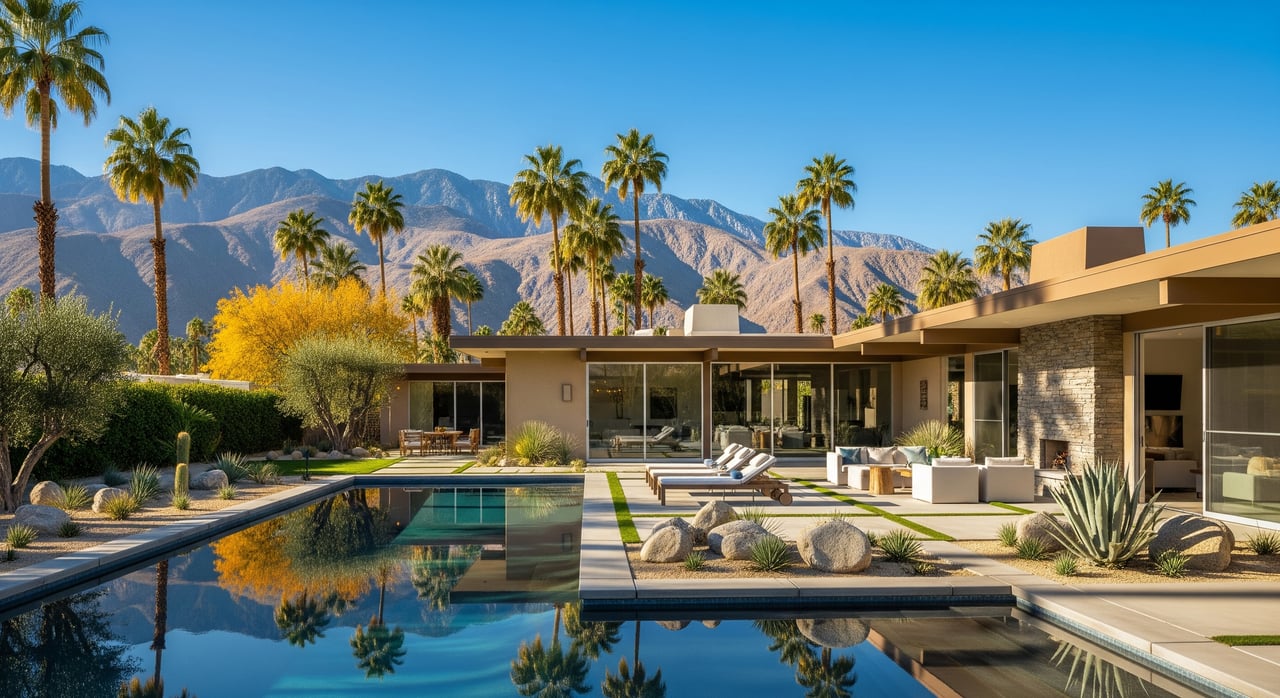
Wondering why homes in Palm Desert seem to move faster in January than July? You’re not imagining it. Our desert market runs on a unique seasonal rhythm shaped by winter visitors, summer heat, and major events. If you’re planning to buy or sell, timing your move to this cycle can help you compete smarter and feel more confident. Let’s dive in.
Why Palm Desert is different
In many U.S. cities, spring is the busiest time for real estate. In Palm Desert, the busy season arrives in late fall and peaks through winter. Mild weather draws seasonal residents and vacationers, and that surge shows up in showings, offers, and rental demand. Summer heat shifts the pace, and spring and fall bring mixed dynamics that depend on your property type and goals.
Winter high season
Winter is the prime time for in-person tours. From about November through March, buyer traffic rises as seasonal residents return and travelers plan longer stays. Daytime highs often sit in the 60s to 80s, which makes touring easy.
During these months, properties that appeal to seasonal buyers often see faster sales and fewer price concessions. Think single-story homes, low-maintenance condos, golf-course settings, gated communities, and turnkey listings. Days on market typically shorten, and competitive pricing reflects stronger demand.
Spring and festivals
Spring brings a transition. As some snowbirds head home in April and May, overall traffic can ease. At the same time, festival season nearby in Indio (including Coachella and Stagecoach) creates short bursts of visitor demand that influence short-term rental performance. Investor interest can tick up for properties that allow short-term rentals and show strong winter occupancy.
For local move-up sellers, late spring can still be a productive window, especially for homes that align with school-year transitions. You may see a bit more inventory for family-oriented properties between April and June.
Summer slowdown
Summer heat often pushes daytime highs into the triple digits. That reduces non-local touring and keeps many seasonal buyers away. Showings tend to slow, and days on market can lengthen. Some sellers choose to wait until fall to list, while others price more aggressively to meet the market.
For buyers, summer can offer more negotiating room, especially if a listing has been on the market for a while. The tradeoff is that inventory for vacation-focused condos and golf properties may be thinner.
Fall ramp-up
As temperatures begin to drop in October and November, momentum returns. Snowbirds plan their winter stays, and listing activity often rises to capture that wave. Getting a home market-ready by early fall helps you meet buyers right as they arrive.
Showings and foot traffic
- Highest showings: November through March. Comfortable weather and seasonal residency drive more in-person tours.
- Lowest showings: July through September. Heat and lower visitor levels reduce out-of-area buyer activity, though local buyers remain active.
- Travel access: Seasonal flight schedules into the Palm Springs airport matter. Winter routes can increase out-of-area buyer visits.
Inventory and pricing
Inventory in Palm Desert shifts by property type:
- Vacation condos and golf-course homes: More listings commonly appear around winter to match seasonal demand. Supply can feel tight during peak months for the most desirable communities and floor plans.
- Family and move-up homes: You may see more options in late spring and early summer as local households plan around the school calendar.
Pricing reflects these patterns. In winter, sellers of seasonal-appeal homes often have stronger leverage, and days on market shorten. In summer, the pace can slow and negotiation can open up, depending on the property and price point.
What snowbirds look for
Seasonal residents often arrive from colder states and Canada. Many value easy living and quick enjoyment. Popular features include single-level layouts, lock-and-leave condos, turnkey presentation, golf and club access, and comfortable outdoor spaces. Because their time in the desert is finite, many come prepared to act, which can lead to quicker decisions on well-presented listings.
Rental and event effects
Short-term rental demand is highest in winter and during major spring events. This can shape investor calculations, especially for properties with permissive HOA rules or city permits. Policies vary widely, so it is important to verify current short-term rental regulations and community rules before you rely on projected income.
Seller timeline
If your ideal buyer is a seasonal resident or visitor, the best results often come from a fall launch.
- July to September: Complete repairs, declutter, and handle maintenance. Schedule professional photos, video, and virtual tours before the busy season.
- October to November: Go live to meet winter demand early. Highlight features that matter to seasonal buyers, including outdoor living, proximity to golf, and turnkey convenience.
- December to February: Expect stronger showings and potentially faster timelines on well-positioned homes.
If your ideal buyer is a local household, consider a late spring listing so closing can align with the summer break.
- March to April: Prep the home. Update lighting, landscaping, and minor finishes that show well in bright desert light.
- May to July: List and market. Emphasize functional spaces, storage, and community amenities.
For investment or short-term rental-driven sales, plan ahead to present numbers that matter.
- Show historical winter occupancy and rates when possible.
- If festival demand supports strong spring bookings, time your listing to demonstrate or forecast that income.
Buyer timeline
If you want to tour the widest range of seasonal-appeal homes in person, plan your visit during the winter high season.
- November to March: Expect more active listings in golf and resort settings. Be ready to move quickly on standouts.
If you prefer less competition and potential negotiation room, consider late spring or summer.
- April to May: Some buyers depart, which can ease pressure. Inventory remains decent across many segments.
- July to September: Fewer tours and potentially more negotiation. Inventory for winter-focused condos may be limited.
If you are an investor, time your diligence around income windows.
- Late fall to early winter: Evaluate properties ahead of winter occupancy and spring events. Underwrite based on current city and HOA rules.
Regardless of timing, start financing conversations early so you can act with confidence when you find the right fit.
Calendar checkpoints
- October to November: Inventory often ramps as snowbirds return. Good time to list or start a focused search.
- December to February: Peak showing months. Expect faster timelines and stronger competition for well-prepped homes.
- March to April: Still active early, then easing as seasonal residents depart. Events can boost short-term rental demand.
- May to September: Slower touring season. Negotiation flexibility may improve.
What to watch
Seasonality is a reliable guide, but every year brings changes in mortgage rates, travel trends, and local rules. To stay sharp, watch these indicators:
- Local MLS reports for Palm Desert: inventory, median prices, and days on market.
- Regional housing reports for Riverside County and California for context.
- Greater Palm Springs tourism updates for visitor patterns and event calendars.
- National Weather Service climate summaries to plan showings around the most comfortable days.
- City of Palm Desert and HOA guidance on short-term rental policies that can influence investor demand.
Plan with a pro
The right plan pairs smart timing with standout presentation. Professional staging, photography, and targeted digital marketing help your listing shine during peak months. For buyers, neighborhood-first guidance and streamlined touring make the most of your time in the Valley.
If you are weighing when to list or shop in Palm Desert, let’s build a plan that fits your goals and the season. Reach out to Kurt Bayek to schedule a free consultation.
FAQs
What months are best to list a golf-course home in Palm Desert?
- Aim for October or November to capture winter buyers, when showings and demand for golf and gated communities are typically strongest.
Is summer a good time to buy a home in Palm Desert?
- Summer offers fewer in-person tours and can open more negotiation opportunities, though inventory for winter-focused condos may be thinner.
How do Coachella Valley festivals affect real estate decisions?
- Festivals create short-term rental demand spikes in spring, which can boost investor interest and support income potential for properties that allow short-term rentals.
What features do snowbird buyers often prefer in Palm Desert?
- Many favor single-level homes, low-maintenance condos, turnkey presentation, golf or club access, and comfortable outdoor living spaces.
Do Palm Desert short-term rental rules impact property value?
- Local city and HOA rules directly affect whether you can rent short term, which influences investor demand and perceived value; always verify current regulations before you buy or sell.