If you are eyeing a home in Indian Wells, you are likely also looking at HOA dues. In a city known for gated entries, golf access, and resort-style amenities, monthly fees can vary a lot. You want to know what you are paying for, what you are not, and how to judge value so your home fits your lifestyle and budget. This guide breaks down typical inclusions and exclusions, why dues differ, and practical steps to evaluate any HOA before you buy. Let’s dive in.
Indian Wells HOA basics
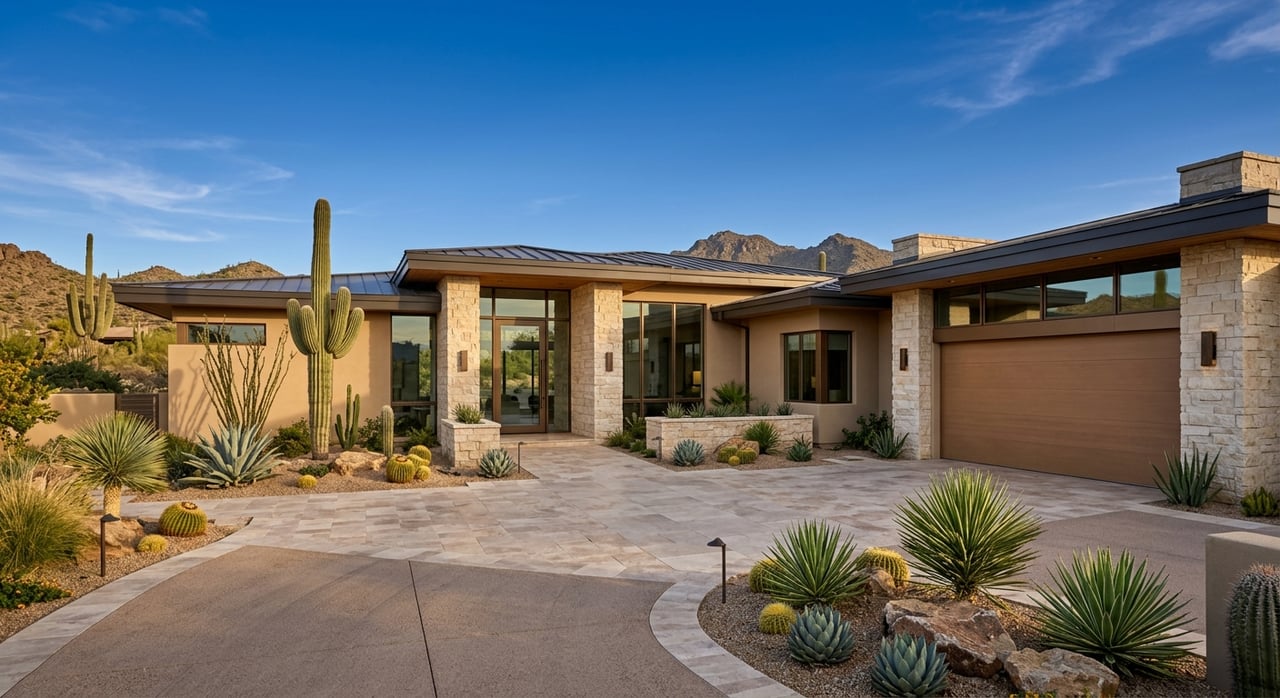
Indian Wells is a high-end desert city with many planned and gated communities. You will find single-family gated neighborhoods, condominium and townhome complexes, age-restricted options, and golf-oriented communities. The property type and amenity package strongly influence what the HOA covers and how the dues are set. Understanding that structure is your starting point for smart budgeting.
What HOA fees commonly cover
Gate and security
Most gated communities fund gate maintenance and security through HOA dues. This can include staffed gatehouses, contract security patrols, electronic access systems, and related utilities and landscaping at entries. A 24/7 staffed gate typically costs more than automated entry.
Landscaping and irrigation
Common-area landscaping is a major line item in the desert. HOAs often maintain medians, parks, entries, and private streetscapes, plus irrigation systems. Water usage and equipment upkeep can be significant, and operating costs may shift with water rates or drought rules.
Pools, spas, and amenities
If your community has pools, spas, and clubhouses, dues usually fund routine service, chemicals, repairs, and furniture replacement. Larger amenities like fitness centers, tennis or pickleball courts, and event spaces add to utilities and staffing needs, which can raise monthly costs.
Roads, lighting, and common utilities
Private roads inside the gates are often the HOA’s responsibility. Dues may cover paving, street sweeping, and lighting. Common-area utilities such as electricity and water for entry features, clubhouses, gates, and pool facilities typically come from the HOA budget.
Building exteriors and structural items
What the HOA maintains depends on property type.
- Condominiums and many townhomes: HOAs often cover roofs, exterior walls and paint, and common structural repairs. Building insurance is often included on a master policy that may be described as “walls-out” or similar.
- Detached single-family homes: Some HOAs maintain private streets and shared landscaping, but exterior home maintenance is often the owner’s duty. Always confirm your community’s CC&Rs and maintenance matrix.
Management, admin, and reserves
Professional management fees, bookkeeping, legal and tax services, master insurance for common areas, and contributions to reserve funds are standard HOA expenses. Healthy reserve funding helps communities handle future capital projects without sudden spikes in dues.
Pest control for common areas
HOAs often contract for exterior pest control to protect shared landscaping and structures.
What HOA dues usually do not include
- Utilities billed to your home: Electricity, gas, and many water bills are typically separate. Some communities include trash and recycling, but many do not.
- Interior maintenance and systems: Owners usually handle interior repairs, appliances, and HVAC located within the unit walls.
- Personal insurance: You will need your own policy for personal property and interior improvements. The type depends on the building and master policy.
- Golf and club memberships: In golf communities, private club dues and initiation or capital fees are often separate from HOA dues.
- Special taxes: Items like Mello-Roos or other local assessments appear on the property tax bill, not in HOA dues.
Why fees vary from one community to another
Amenities and service level
Resort-style amenities drive higher dues. Multiple pools, staffed clubhouses, fitness centers, tennis and pickleball offerings, and on-site event or concierge staff can meaningfully raise the budget. The higher the service level, the higher the operating cost.
Ownership type and maintenance scope
Condo and townhome associations tend to have higher dues because they include structural maintenance and building insurance. Detached single-family communities may have moderate dues if owners maintain their own exteriors, though costs increase with extensive common landscaping, private roads, or amenities.
Reserves and capital needs
Communities with well-funded reserves may set dues to keep long-term projects on track. Underfunded HOAs might show lower dues today but carry a higher risk of special assessments. Pay close attention to the reserve study and funding plan.
Age and condition of infrastructure
Older communities may need larger contributions for items like roof replacement, repaving, pool replastering, or irrigation system upgrades.
Water, utilities, and insurance costs
Desert irrigation and utility pricing can shift expenses year to year. Insurance markets have also impacted master policy premiums for California associations, which can increase dues.
Legal and management considerations
Active litigation or frequent legal needs can strain budgets. Professional management fees and the scale of the community also affect operating costs.
How to judge value for money
Documents to review
Request the full resale disclosure packet early in your due diligence. Key items include:
- Current operating budget and recent year-to-date financials
- Reserve study and reserve fund balance, plus the project schedule for the next 3 to 5 years
- Financial statements for the last 2 to 3 years
- CC&Rs, Bylaws, and Rules and Regulations
- Board meeting minutes for the last 12 to 24 months
- Master insurance declarations with coverage details
- History of special assessments and any pending proposals
- Litigation disclosures and outcomes
- Management contract details
- Any separate club membership obligations or capital contributions in golf communities
Smart questions to ask
- What exactly is included in monthly dues? Be specific about gate staffing, yard water, trash, exterior paint, roof, HVAC servicing, and access to amenities.
- Are golf-club dues mandatory, and are there initiation or capital fees at resale?
- What is the current reserve balance and the target from the latest reserve study?
- Have there been special assessments in the last 5 years, and are any expected soon?
- What is the history of annual dues increases over the past 5 to 10 years?
- Which service contracts are in place, and are renewals likely to change costs?
- What major projects are planned and how will they be funded?
- What are the current policies on rentals, pets, and exterior modifications?
Red flags to watch
- Low reserves compared to the study’s recommendation and no funding plan
- Recent or frequent special assessments
- Active or large-scale litigation
- Rapid turnover of board or management and poor transparency in minutes or financials
- Service cuts or deferred maintenance despite rising dues
Benchmarks that help
- Compare dues to similar nearby communities with comparable property types and amenities.
- Review reserve adequacy against the target in the reserve study, not just a percentage.
- Look for steady, planned increases over time rather than sudden spikes.
Budgeting for HOA dues in Indian Wells
Your total monthly housing expense should include your mortgage payment, property taxes, homeowner’s insurance, HOA dues, and utilities that are not included in dues. In California, a common estimate for baseline property taxes is roughly 1 percent of the assessed value, plus any voter-approved assessments or Mello-Roos. Always verify your parcel’s actual taxes with county records.
Plan for one-time costs tied to the HOA when you buy. These can include a resale certificate or document fee, HOA transfer fee, capital contributions, or move-in fees. Ask the seller or management company for a full list so you can budget accurately.
Lenders include HOA dues in debt-to-income calculations. Higher dues can affect your loan amount or approval, so share the expected fees with your lender early. Also build time into escrow for the HOA to produce disclosures and for you to review them.
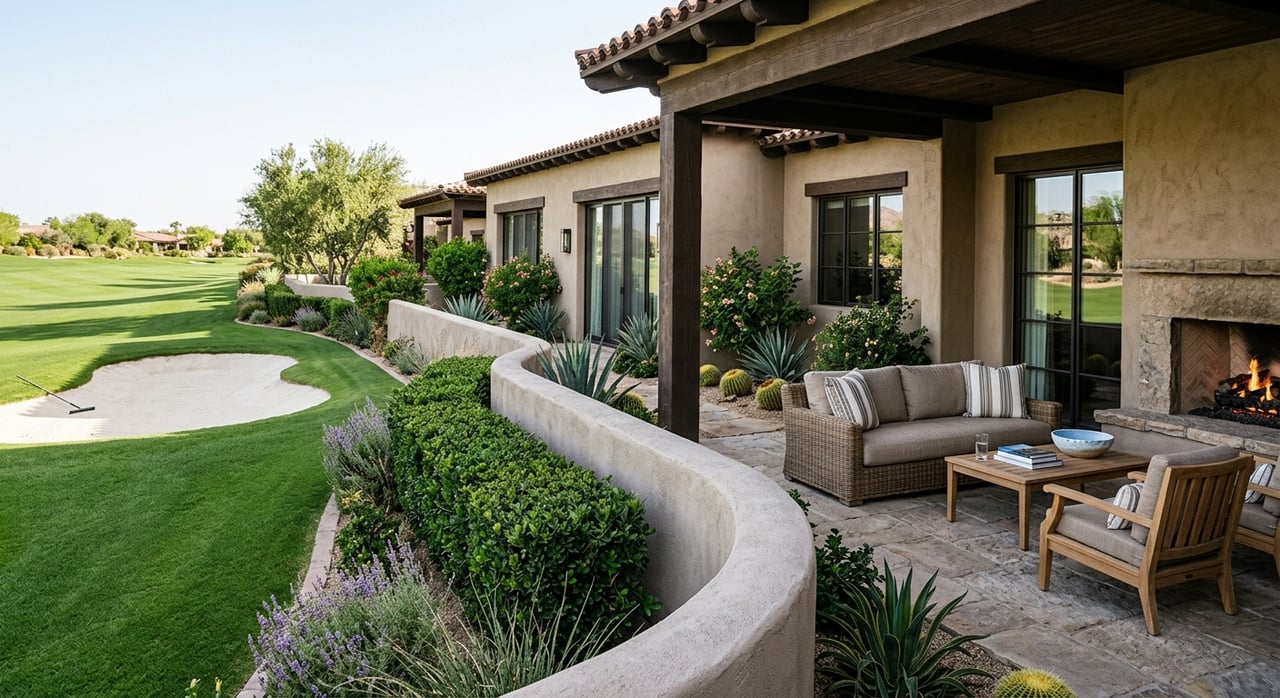
If you are considering a golf-course community, confirm whether the golf course is part of the HOA, privately owned, or run by a separate club. Membership dues and initiation or capital charges are often separate from HOA dues and can be material. If you plan to rent, check the rules. Many communities limit or prohibit short-term rentals, which affects income projections.
Working with a local advisor
A clear picture of HOA coverage can save you from surprises and help you find the right fit. You want a home that matches your lifestyle and a community with stable finances, fair dues, and the amenities you will use. If you would like tailored guidance and help reviewing HOA documents during your search in Indian Wells, reach out to Kurt Bayek for a friendly, no-pressure consultation.
FAQs
What do HOA fees typically cover in Indian Wells?
- They commonly fund gates and security, landscaping and irrigation, pools and amenities, private roads and lighting, master insurance for common areas, management, and reserves.
Why do HOA dues vary so much between communities?
- Amenity level, staffing, ownership type, reserve funding, infrastructure age, insurance and utility costs, litigation, and management models all influence the budget.
What costs are usually not included in HOA dues?
- Owner utilities, interior maintenance, personal insurance, golf-club memberships or fees, and special taxes such as Mello-Roos are typically separate.
How can I evaluate if dues are good value?
- Review the budget, reserve study, insurance declarations, meeting minutes, and assessment history, then compare dues and amenities to similar communities.
What HOA documents should I request during escrow?
- Ask for the operating budget, recent financials, reserve study and balance, CC&Rs and rules, board minutes, insurance declarations, assessment and litigation disclosures, and management details.
Do HOAs in golf communities include golf membership?
- Often no. Many golf or country club dues, initiation, or capital fees are separate from HOA dues and may be mandatory in some developments.
How do HOA dues affect my mortgage approval?
- Lenders include dues in your debt-to-income ratio, which can impact your qualified loan amount, so provide accurate dues figures early.
What should I know about property taxes and special assessments?
- California’s baseline property tax is roughly 1 percent of assessed value plus any local assessments; verify any Mello-Roos or special taxes on your parcel with county records.